
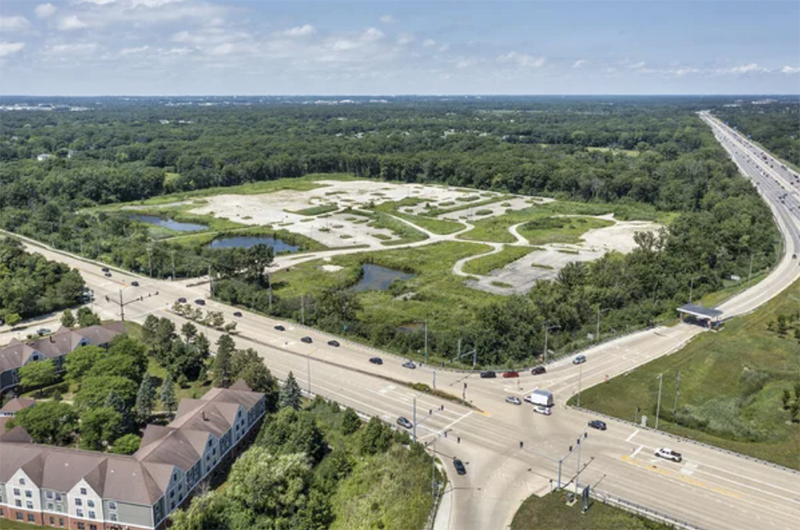
A vacant parcel in Sacramento can look simple on paper, but ownership comes with recurring city duties. The lot must be registered every year, maintained against weeds and dumping, and monitored closely if code orders begin to accumulate. Those steps matter whether the owner plans to build soon, hold the land, or sell it later.
Which Sacramento Parcels Must Be Registered
The City of Sacramento Vacant Lot Program applies to vacant, undeveloped property within city limits. The city describes a vacant lot as a parcel without a completed permitted structure.
City limits are important. A Sacramento mailing address does not necessarily mean the parcel is governed by the City of Sacramento; some land is in unincorporated Sacramento County or another municipality. Check the jurisdiction, parcel number, and zoning before relying on the city’s registration rules.
Owners must register annually even if they do not receive the city’s reminder. A purchase late in the year is a good reason to confirm whether the current registration and fee have already been handled.
The Annual Fee and Local Contact Rule
The current annual program fee is $70 per parcel. An owner who lives more than 35 miles from Sacramento City Hall must designate a local contact representative with full authority to act for the owner.
The registration helps the city confirm ownership and reach someone quickly when weeds, illegal dumping, trespassing, or a fire hazard appears. An out-of-area investor should not list a person who cannot authorize cleanup or secure the property.
The city also provides a fee-waiver process for lots that meet its criteria. A waiver should be requested through the official program; an owner should not skip registration or payment based on an assumption that the parcel qualifies.
How a Lot Becomes a Nuisance Property
Sacramento treats a vacant lot as a nuisance lot after it receives two or more administrative orders, including penalties or abatement orders, during the prior 24 months. Weed-abatement violations under city and fire codes count toward that total.
Once designated, the lot stays in that category until one of three things happens: a community garden is installed, permitted residential or commercial construction is completed, or the property remains nuisance-free for at least 24 consecutive months.
This makes early maintenance cheaper than repeated response. Keep vegetation controlled, remove dumped material, repair fencing when appropriate, and document service visits with dated photos and invoices. Our article on raw land development in California cities offers broader context for owners thinking about a future project.
Monitoring Fees and Citations Can Add Up
A nuisance vacant lot is subject to a $330 monitoring fee per inspection, and administrative citations can range from $100 to $25,000. The city may impose those citations in addition to monitoring charges.
The owner must also post a sign at least four feet by four feet with the owner or local representative’s phone number. The lettering must be at least six inches high and visible from the public right-of-way.
If a notice arrives, read the correction deadline, photograph the condition, keep receipts, and request a reinspection when the work is complete. The program publishes appeal forms for monitoring fees and penalties, but an appeal does not substitute for fixing an active safety problem.
Keep Ownership and Development Records Organized
A useful vacant-lot file includes the deed, assessor’s parcel number, title documents, annual registrations, fee receipts, local-contact authorization, zoning information, surveys, environmental reports, maintenance contracts, photos, code notices, and proof of correction. Before a sale, confirm that the city has the correct owner and mailing address.
Property Records of California provides property history reports and related ownership and transaction information that may help organize the parcel’s background. Our guide to types of property reports explains what those reports can contain. They do not replace a title policy, city permit file, survey, environmental review, or code-compliance record.
Sacramento continues to attract growth and development interest, as discussed in our review of California’s fast-growing cities. For a vacant-lot owner, however, the immediate priorities are annual registration, reliable local oversight, and preventing small maintenance issues from becoming a costly nuisance designation.