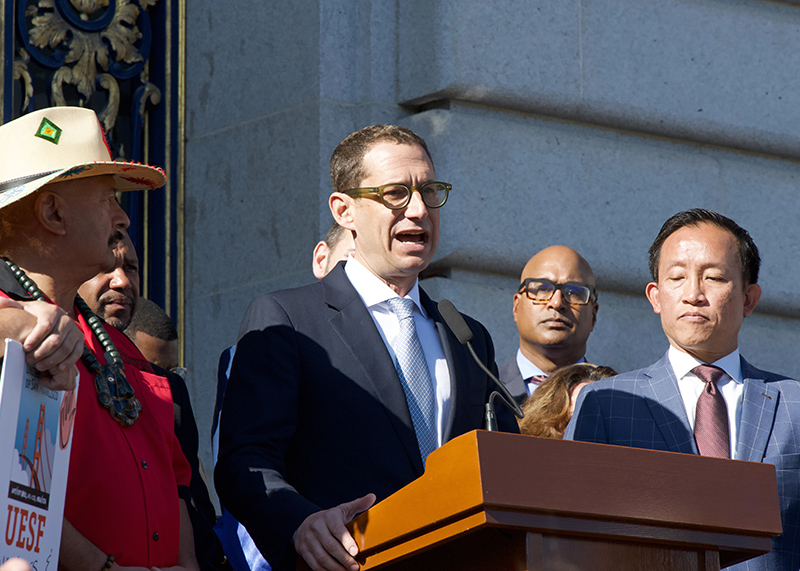
San Francisco Mayor Daniel Lurie has announced a new plan to help renters as housing costs continue to rise across the city. The mayor is calling the situation a “rent emergency” and says the city needs to act quickly to help people stay in their homes.
The new plan includes several proposals aimed at reducing evictions, limiting large rent increases, providing legal help to tenants, and giving financial assistance to low-income families. The announcement comes as San Francisco experiences another period of rapid economic growth, partly driven by the technology and artificial intelligence industries.
Rents Are Rising Quickly
San Francisco has been one of the most expensive cities in the country for many years, but rents have recently increased even faster. Median rents were nearly 26% higher in August compared with the same time last year, according to data cited in reports about the mayor’s announcement.
The growth of artificial intelligence companies has brought more workers and investment into San Francisco. However, the city has not built enough new housing to keep up with growing demand. When more people compete for a limited number of homes and apartments, prices can rise quickly.
Mayor Lurie says San Francisco should continue welcoming new businesses and residents while making sure longtime residents are not forced to leave because they can no longer afford housing.
More Protection Against Evictions
One part of the mayor’s plan would provide additional protection for renters facing eviction.
The city has seen eviction notices increase as housing demand has grown. Under one proposal supported by the mayor, tenants generally could not be evicted for unpaid rent unless the amount owed exceeds one month of federally defined fair-market rent.
Another proposal would increase relocation payments for certain tenants evicted under California’s Ellis Act. The Ellis Act allows property owners to remove rental units from the market under specific circumstances. The mayor’s proposal would increase those payments by 25%, which would amount to roughly $3,000 more per person in some cases.
Millions for Renters Who Need Help
The city also plans to put more money toward helping renters who are struggling financially.
About $3 million would be added to a program that provides free legal representation to tenants facing eviction. The additional funding is expected to provide more complete legal assistance to approximately 400 households.
San Francisco is also supporting a plan to spend about $27 million on rental assistance for approximately 650 extremely low-income households that could lose federal housing assistance when certain vouchers expire at the end of the year.
Limiting Large Rent Increases
Another part of the plan focuses on protecting tenants from sudden increases in rent.
Some landlords of rent-controlled apartments can save, or “bank,” rent increases they were previously allowed to charge but did not use. Those increases can sometimes be applied later.
The mayor’s package includes changes intended to limit how these banked increases can be used, reducing the possibility of tenants suddenly facing a much larger rent increase.
The city also plans to improve education about renter protections so tenants better understand their rights when facing an eviction or rent increase.
Balancing Economic Growth and Affordable Housing
San Francisco’s growing technology and AI industries could bring more jobs, businesses, and investment into the city. At the same time, that growth can put additional pressure on an already expensive housing market.
Mayor Lurie says the goal is to prevent another economic boom from pushing longtime residents out of San Francisco. His proposals are designed mainly to provide immediate protection for renters while the city continues working on its larger housing shortage.
However, the proposals will not lower rent for most San Francisco residents immediately. Housing advocates have also argued that the city needs to build significantly more housing if it wants to address the underlying shortage.
The challenge for San Francisco will be finding a balance: allowing the city’s economy to grow while making sure working families, low-income residents, and longtime renters can still afford to call San Francisco home.