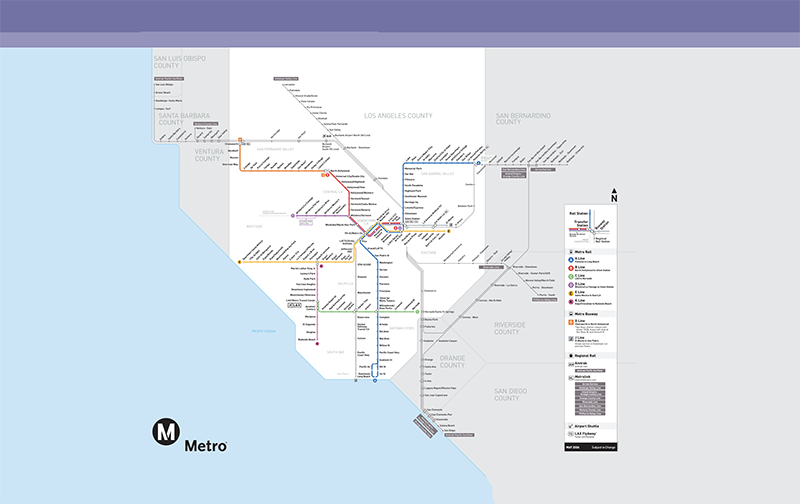
Los Angeles has always been known as a car city, but that image is slowly starting to change. With the expansion of the Los Angeles Metro subway and rail system, especially along Wilshire Boulevard and the Westside, many neighborhoods could see major changes in housing demand, property values, new construction, and the way people choose where to live. Areas once considered too far from jobs or entertainment may become more attractive as train access improves and commute times drop.
The recent expansion of the D Line subway is already changing the way many residents move through the city. Metro plans to continue expanding the line west toward Century City and Westwood before the 2028 Olympics. As public transportation becomes faster and more reliable, real estate markets near stations could experience major growth over the next several years.
Faster Transportation Could Increase Home Demand
One of the biggest ways Metro expansion can affect real estate is by making neighborhoods easier to reach. In Los Angeles, long commute times have always influenced where people buy homes or rent apartments. If residents can get from Downtown Los Angeles to Beverly Hills or Westwood much faster, nearby housing instantly becomes more appealing.
As more stations open, buyers may begin looking at homes near subway stops instead of focusing only on freeway access. This could especially affect neighborhoods around:
- • Koreatown
- • Mid-Wilshire
- • Miracle Mile
- • Beverly Hills
- • Century City
- • Westwood
Properties within walking distance of train stations often become more desirable because residents can avoid traffic, save money on gas, and reduce commute stress.
More Apartment and Mixed-Use Developments
Metro expansion also encourages new construction projects. Developers often build apartments, condos, restaurants, and retail spaces near rail stations because those locations attract renters and businesses.
Los Angeles has already seen this happen around existing Metro lines in areas like Downtown LA and North Hollywood. As the D Line expands west, similar growth may happen along Wilshire Boulevard and surrounding neighborhoods.
Many city planners support higher-density housing near transit because it allows more people to live close to jobs, shopping, and entertainment without depending entirely on cars.
This could lead to:
- • More luxury apartment buildings
- • New mixed-use projects
- • Increased retail activity
- • More walkable neighborhoods
- • Rising land values near stations
At the same time, some residents worry that rapid development could increase rent prices and change the character of older neighborhoods.
Property Values Near Stations Could Rise
Historically, homes located near reliable public transportation often gain value over time. Buyers are usually willing to pay more for convenience and shorter commutes.
As Los Angeles continues investing billions into Metro infrastructure, homes close to stations may become stronger long-term investments. The D Line extension alone is expected to add several new stations across the Westside.
Some real estate experts believe neighborhoods near future stations may see:
- • Increased buyer competition
- • Higher rental demand
- • Faster appreciation
- • More investor interest
However, rising prices are not guaranteed everywhere. Some areas may take years to fully benefit, especially if concerns about safety, parking, or ridership continue.
The Olympics Could Speed Up Development
The 2028 Los Angeles Olympics are also pushing the city to expand transportation faster. City leaders want visitors and residents to rely more on trains and public transit during major events.
Several Metro projects are expected to be completed before the Olympics, including more sections of the D Line extension.
This could create additional pressure for:
- • Hotel construction
- • Short-term rental demand
- • Commercial development
- • Infrastructure improvements
- • Transit-oriented housing projects
Neighborhoods connected to Olympic venues could become especially attractive to developers and investors over the next few years.
Los Angeles May Slowly Become Less Car-Dependent
Los Angeles will probably never fully abandon car culture, but Metro expansion may slowly change how residents think about transportation and housing.
For decades, traffic has shaped nearly every real estate decision in Southern California. But if subway and rail systems continue improving, buyers may start prioritizing train access the same way people do in cities like New York, Chicago, or Washington, D.C.
That shift could reshape:
- • Housing demand
- • Commercial corridors
- • Rental markets
- • Development patterns
- • Property values across LA County
The full effects may take years to appear, but Metro expansion is already starting to influence how people view real estate in Los Angeles.