Major events like the 2028 Summer Olympics can completely reshape a city. From new stadiums and transportation projects to rising tourism and real estate prices, the Olympics often bring both excitement and challenges to the areas involved. Cities around the world have experienced economic growth during the Games, but many have also struggled once the crowds leave and the event is over.
For homeowners, investors, renters, and local businesses, the Olympics can create opportunities while also changing neighborhoods in ways that are not always positive. As Los Angeles prepares for the 2028 Games, many people are wondering what this will mean for real estate, local economies, and the long-term future of Olympic venues.
Increased Tourism and Spending During the Olympics
One of the biggest benefits of hosting the Olympics is the massive amount of tourism that comes into the city. Millions of visitors travel to attend the events, stay in hotels, eat at restaurants, and shop at local businesses. This creates a temporary economic boom for many neighborhoods near Olympic venues.
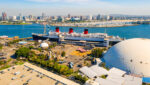
In Los Angeles, areas near Downtown LA, Inglewood, Long Beach, Carson, and the Westside are expected to see increased business activity during the 2028 Games. Hotels may raise prices, short-term rentals could become more valuable, and restaurants and entertainment businesses often experience some of their busiest weeks ever.
The Olympics also create thousands of temporary jobs connected to construction, transportation, hospitality, security, and event management. For many cities, this short-term economic activity can inject billions of dollars into the local economy.
Rising Property Values and New Development
Olympic projects often lead to major redevelopment in surrounding areas. Cities typically improve roads, public transportation, parks, airports, and entertainment districts before the Games begin. These improvements can increase property values in nearby neighborhoods.
Los Angeles is already investing heavily in transportation upgrades ahead of the 2028 Olympics. Metro rail expansions, airport improvements, and venue construction may make certain areas more attractive to future buyers and investors.
For real estate owners, this can be a positive change. Homes and commercial properties near upgraded infrastructure often rise in value over time. Developers may also build new apartments, hotels, shopping centers, and mixed-use projects to prepare for increased demand.
However, rising values can also create problems for renters and long-time residents. In some Olympic host cities, housing prices and rent increased so much that lower-income residents struggled to stay in their neighborhoods.
The Challenges After the Olympics End
While the Olympics can bring excitement and investment, many cities face financial problems once the event is over. Some host cities spend billions building venues and infrastructure that are difficult to maintain after the Games.
This has happened in several past Olympic cities where stadiums and arenas became underused or abandoned. Large facilities may no longer attract enough events to cover maintenance costs. Over time, these buildings can become expensive burdens for local governments.
Los Angeles is trying to avoid this issue by using many existing venues instead of building entirely new stadiums. Places like the Los Angeles Memorial Coliseum, SoFi Stadium, and other established sports facilities are expected to host Olympic events.
Cities that successfully reuse Olympic venues after the Games usually perform better financially than cities that build large numbers of new stadiums that later sit empty.
What Happens to Olympic Buildings After the Event?
After the Olympics end, cities must decide how to reuse the venues and athlete housing. Some locations become long-term sports centers, concert venues, university facilities, or tourist attractions. Others may be converted into apartments, office space, or mixed-use developments.
Olympic Villages are often turned into residential housing after the Games. This can help increase housing supply in growing cities. In some cases, Olympic venues continue hosting major sporting events for decades.
But not every project succeeds. Some former Olympic buildings around the world now sit abandoned because maintenance costs became too high or there was not enough long-term demand.
The success of Olympic infrastructure usually depends on whether the city planned for long-term use before construction even began.
The Long-Term Impact on Local Communities
The Olympics often leave a lasting mark on local communities long after the event ends. Some neighborhoods benefit from cleaner streets, better transportation, increased tourism, and stronger business activity. Others experience higher living costs, traffic congestion, and displacement.
In cities like Los Angeles, the long-term impact may depend on how local leaders balance tourism, development, and affordable housing needs. If investments continue benefiting residents after the Games are over, the Olympics can help improve parts of the city for years.
But if spending focuses only on short-term event success, some communities may struggle once the excitement fades.
For homeowners and real estate investors, the Olympics can create opportunities through rising property demand and infrastructure improvements. At the same time, buyers should remember that major events can also bring uncertainty, changing market conditions, and temporary price spikes that may not always last forever.