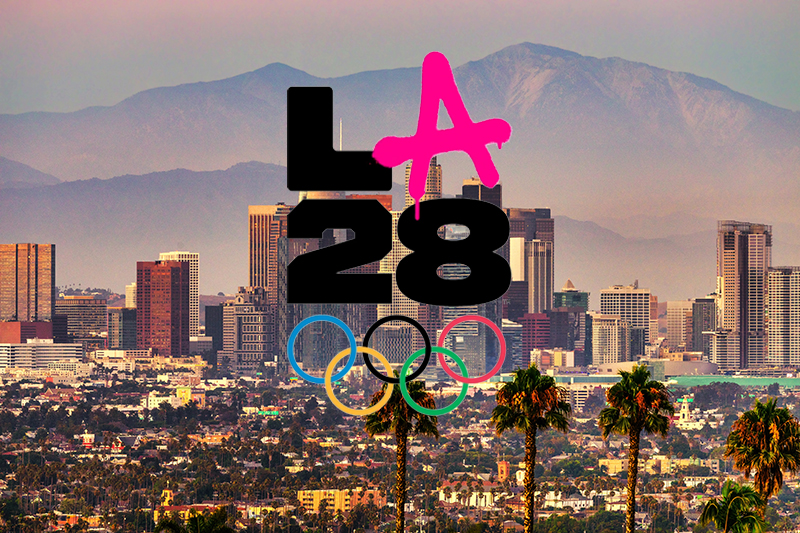
The 2028 Summer Olympics are coming to Los Angeles, but the real estate impact isn’t something that will suddenly happen in 2028. It’s already happening now.
Whenever a city hosts the Olympics, it goes through years of preparation. That preparation includes building, upgrading, investing, and attracting attention from around the world. In Los Angeles County, all of that is starting to reshape the housing market, commercial development, and even the way neighborhoods grow.
Some people expect a short-term boost, but that’s not really how it works. The bigger changes happen in the years leading up to the event and continue long after it ends. In many ways, 2028 is just the checkpoint, not the finish line.
Home Prices Are Already Moving Up in Key Areas
Certain parts of Los Angeles County are getting more attention than others, especially areas near Olympic venues. Cities like Inglewood, Los Angeles (Downtown), and parts of the Westside are seeing stronger demand.
This is not random. Buyers and investors are trying to get ahead of future growth. They expect these areas to improve, attract more businesses, and become more desirable over time.
Inglewood is one of the clearest examples. With SoFi Stadium hosting major Olympic events, the surrounding neighborhoods are already changing. New construction, renovations, and rising property values are becoming more common.
But here’s the part people overlook. Prices don’t just go up because of the Olympics. They go up because of everything that comes with it. More jobs, more attention, and more long-term investment all play a role. That also means if someone waits until 2028 to buy, they’re probably late.
Rental Demand Is Expected to Spike
The Olympics will bring a massive number of visitors to Los Angeles County. That includes tourists, athletes, media teams, and companies connected to the event. Because of that, rental demand is expected to increase, especially in areas close to venues and transportation hubs. Short-term rentals will likely see the biggest jump, but even long-term rentals could be affected.
Some homeowners are already thinking ahead. Instead of selling, they’re holding onto properties with the idea of renting them out during the Olympics. Investors are also targeting properties that can generate income, not just appreciation.
At the higher end of the market, luxury rentals are becoming a strategy. Large homes in desirable areas could be rented for very high prices during the event. But there’s a downside. When investors focus heavily on rentals, it can reduce the number of homes available for buyers. That puts more pressure on prices and makes it harder for regular buyers to compete.
Transportation Projects Are Reshaping Neighborhoods
One of the biggest long-term impacts of the Olympics is infrastructure. Los Angeles has committed to improving its transportation system before the Games begin. This includes rail expansions, airport connections, and better access between major parts of the county. The goal is to make it easier for people to move around without relying entirely on cars.
Real estate usually follows transit. When a new train line or station opens, nearby neighborhoods tend to become more valuable. People want easier commutes, and businesses want access to more customers.
Areas that were once considered less convenient can suddenly become attractive. That shift creates opportunities, but it also pushes prices up. The important thing to understand is that infrastructure changes don’t just help during the Olympics. They permanently change how people live and move around Los Angeles County.
Commercial Development Is Expanding
The Olympics are not just about housing. They also drive commercial growth. Businesses are preparing for increased activity. Hotels, restaurants, retail spaces, and entertainment venues are all expanding or upgrading. Office space is also seeing interest from companies that want to be close to the action.
Downtown Los Angeles is a major focus. It already has a strong commercial base, but the Olympics are adding another layer of demand. More foot traffic, more events, and more global attention make it an attractive location for businesses.
Mixed-use developments are also becoming more common. These projects combine housing, retail, and office space into one area. They are especially popular near transit lines and major venues.
This type of development changes how neighborhoods feel. Instead of being purely residential or purely commercial, areas become more connected and active. But again, there’s a trade-off. As commercial activity increases, land values go up. That can make it harder for smaller businesses and long-term residents to stay.
Affordability and Displacement Are Real Concerns
Not everyone benefits from rising property values. Los Angeles County already has a housing affordability problem. As prices continue to rise, that problem can get worse. First-time buyers may find it harder to enter the market, and renters may face higher costs.
There is also the issue of displacement. When neighborhoods improve and attract more investment, long-time residents can get pushed out. This has happened in other Olympic host cities, and there is concern that it could happen in parts of Los Angeles.
Cities and local governments are aware of this, but solutions are limited. Building more housing can help, but it takes time. Rent control and housing policies can slow down displacement, but they don’t always solve the root problem.
This is one area where the Olympics create tension. On one side, there is growth and opportunity. On the other side, there is pressure on people who are already struggling to afford housing.
Conclusion
The 2028 Olympics are already changing real estate in Los Angeles County, and those changes will continue for years. Home prices are rising in key areas. Rental demand is increasing. Infrastructure projects are reshaping neighborhoods. Commercial development is expanding. At the same time, affordability is becoming a bigger concern.
It’s easy to think of the Olympics as a short event, but in real estate, the timeline is much longer. Most of the impact happens before the Games begin and continues long after they end. If someone is trying to time the market based on the Olympics, waiting until 2028 is probably a mistake. The real shift is happening now.